
The Best Backpacking Gear of 2026
(I’ve done the research for you, so you don’t waste time or money)
As an adventure travel coach—and someone who genuinely loves being out on the trail—I’m always paying attention to what’s new in gear.
Not because I need more gear…
(but let’s be honest… I probably think I do 😅)
Every year, brands improve materials, reduce weight, and make things more efficient. And as someone who hikes and backpacks regularly, staying up to date actually matters.
Also… I enjoy the research part.
(My husband? Not so much.)
So I went down the rabbit hole—reading reviews, comparing testing data, and digging into what experts are actually using in the field—so you don’t have to.
Why This Matters Before You Head Out
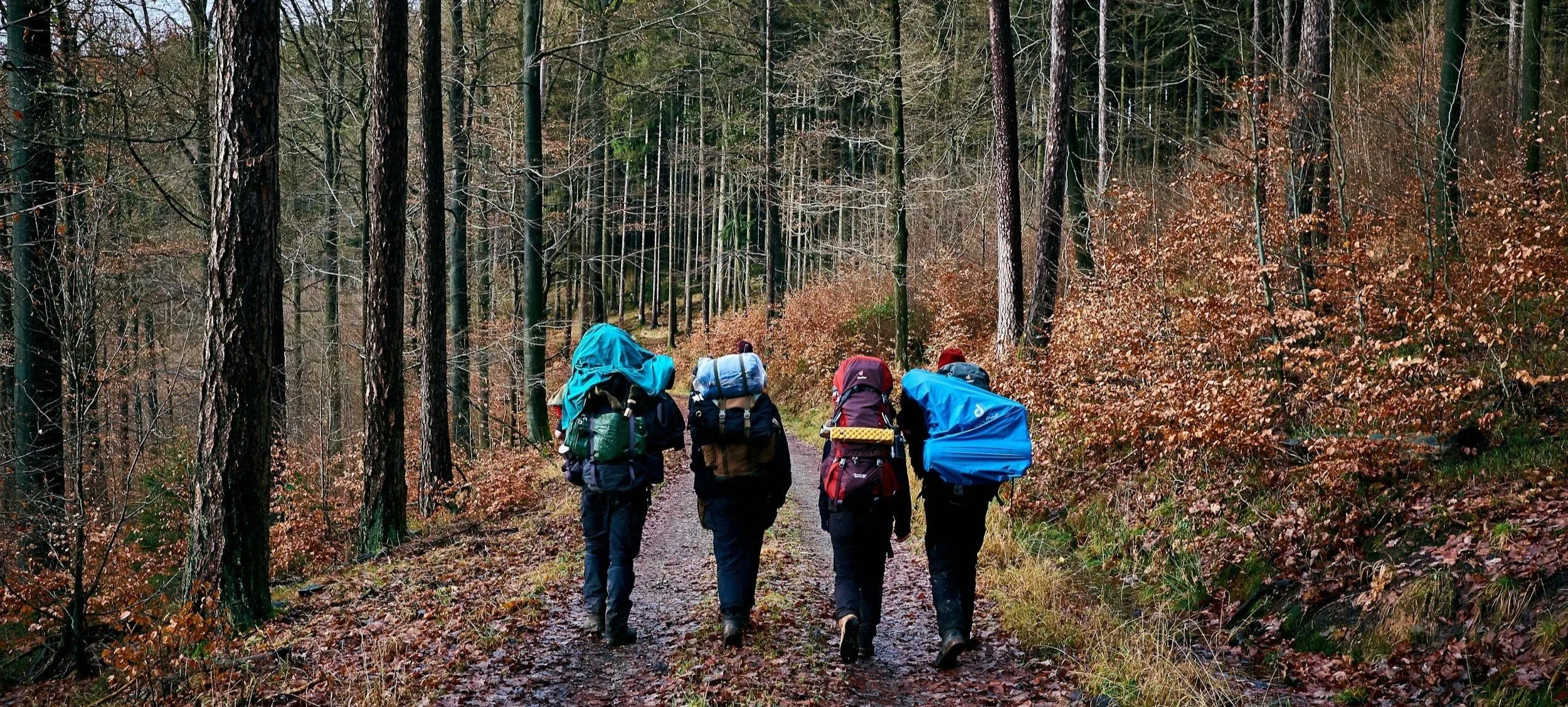
As summer approaches, more people are heading into the outdoors—whether it’s their first overnight trip or their tenth.
And here’s the truth most people don’t realize until it’s too late:
👉 The right gear doesn’t just make your trip better… it makes it enjoyable.
Because once you’re out there, you can’t just “run back home” if something isn’t working.
What Actually Makes or Breaks a Backpacking Trip
Everyone talks about tents and sleeping bags…
But after all the research—and real experience—there are five things that truly matter:
1. Your Shelter (Tent)
This is your protection. Your reset space. Your safety net when the weather shifts.
After comparing reviews from OutdoorGearLab, CleverHiker, and GearJunkie, one tent consistently comes out on top:
👉 Best Overall: Big Agnes Copper Spur UL2
Lightweight, spacious, easy to set up, and reliable in different conditions—it’s one of the most well-balanced tents out there.
Another option for this tent is the Copper Spur HV UL2 mtnGLO Tent. Known for being lighter, stronger, and easier to set up. The mtnGLO® lights let you sort gear at night without a headlamp.
Other standout options:
SlingFin Portal 2 – best for harsh weather
REI Co-op Half Dome 2 Plus – great budget-friendly durability
Zpacks Duplex Lite – best for ultralight hikers
Sea to Summit Telos TR2– most versatile design
👉 My take: If you want one tent that does almost everything well, the Copper Spur UL2 mtnGlo is hard to beat.
2. Your Sleep System (Sleeping Bag + Pad)
This is your recovery.
You can push through a tough hike…
But you can’t push through multiple nights of bad sleep.
Top-reviewed sleeping bags based on GearJunkie and Travel + Leisure:
Feathered Friends Swallow UL – best overall
Mountain Hardwear Bishop Pass– great mid-range option
REI Co-op Trailmade 25 – best budget-friendly
Therm-a-Rest Boost 650 – most versatile. I have an older version of this one, and it’s still my favorite.
👉 And don’t overlook this:
Your sleeping pad matters just as much as your sleeping bag.
It’s what keeps you:
comfortable
insulated from the cold ground
actually able to rest
3. Your Backpack (Non-Negotiable)
You are carrying your entire setup on your back—for miles.
If your pack doesn’t fit right:
Your shoulders will ache
Your hips will hurt
Your back will feel it
And suddenly… the hike isn’t fun anymore.
A good backpack should:
Fit your torso (not just your height)
Transfer weight to your hips
Feel stable, not like it’s pulling you backward
👉 This is one of the most important investments you’ll make.
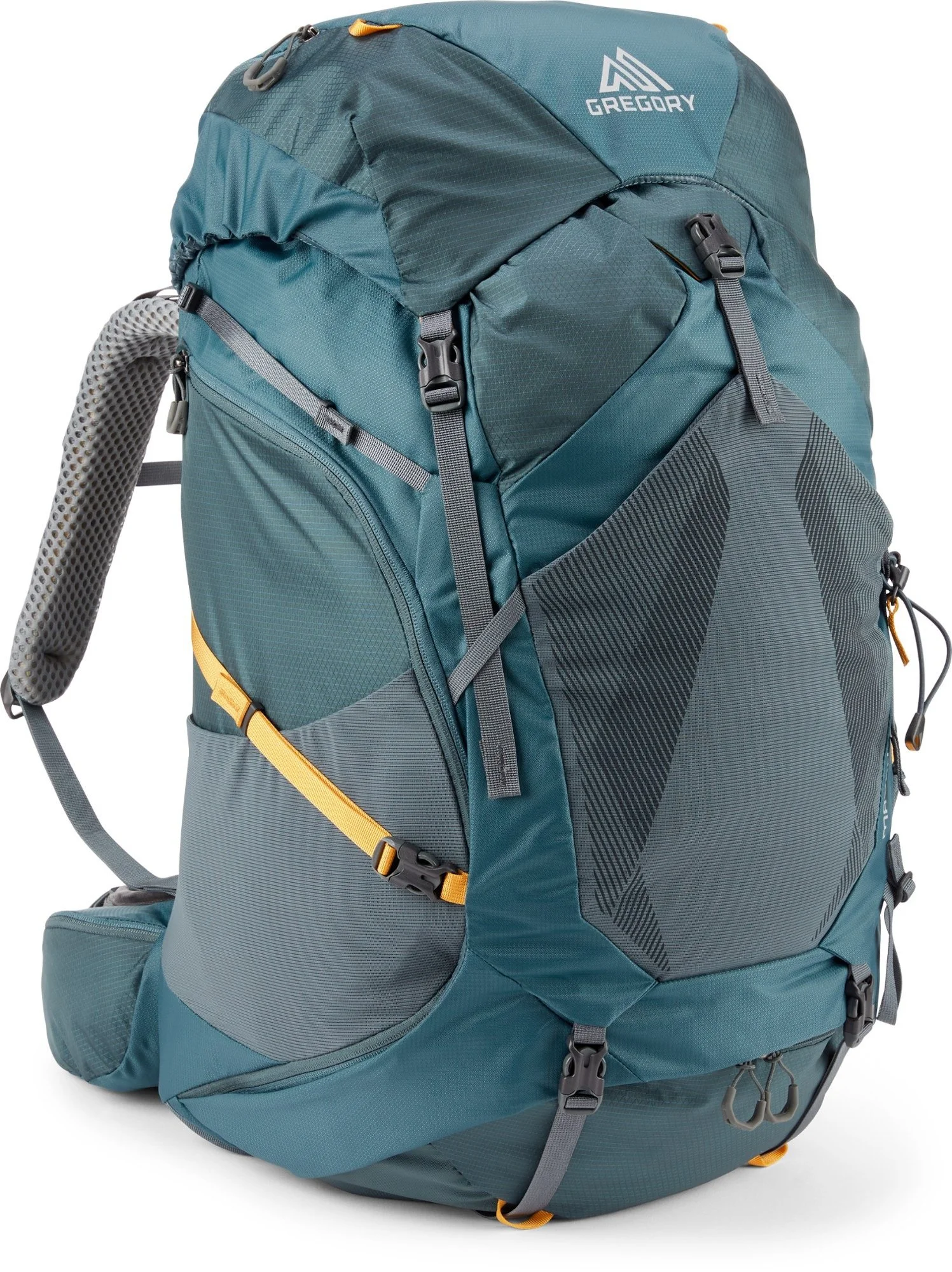
🏆 Tried, Tested, and Still My Go-To (10+ Years Later)
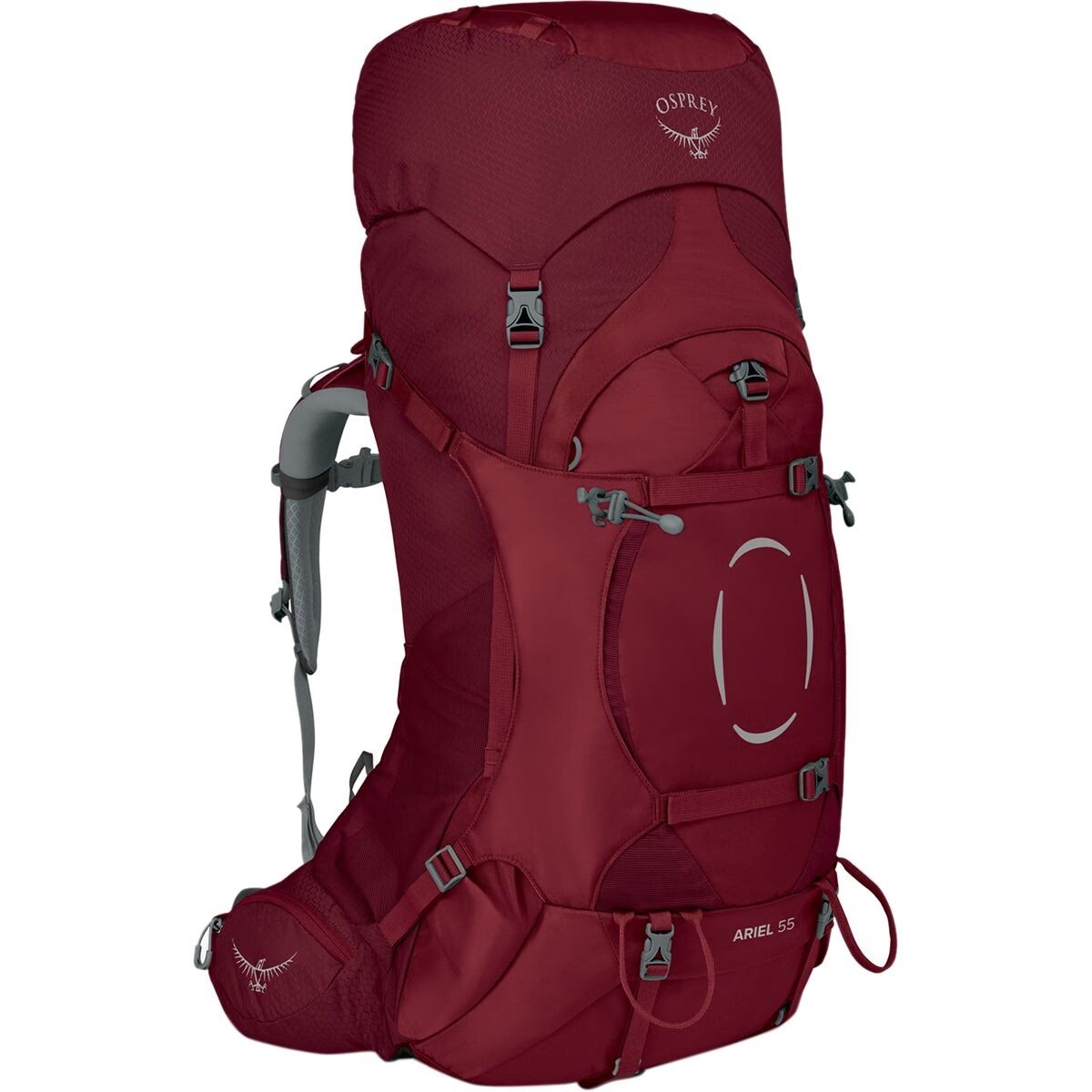
Osprey Ariel 55 Women's Backpack
Comfortable, women’s fit with ample storage for outdoor adventures.
This is the pack I personally own—and I can confidently say it lives up to its reputation.
I’ve had mine for about 10 years, and it’s still going strong.
If I ever replace it?
It will probably be… the exact same one.
Why it stands out:
Built for heavier loads and durability
Fully adjustable fit (hips, shoulders, torso)
Designed specifically for women’s bodies
Extremely comfortable, even on longer trips
👉 Real talk:
It’s not the lightest pack out there—but what it lacks in weight, it makes up for in comfort and durability.
And after 10 years of use… I can attest to that.
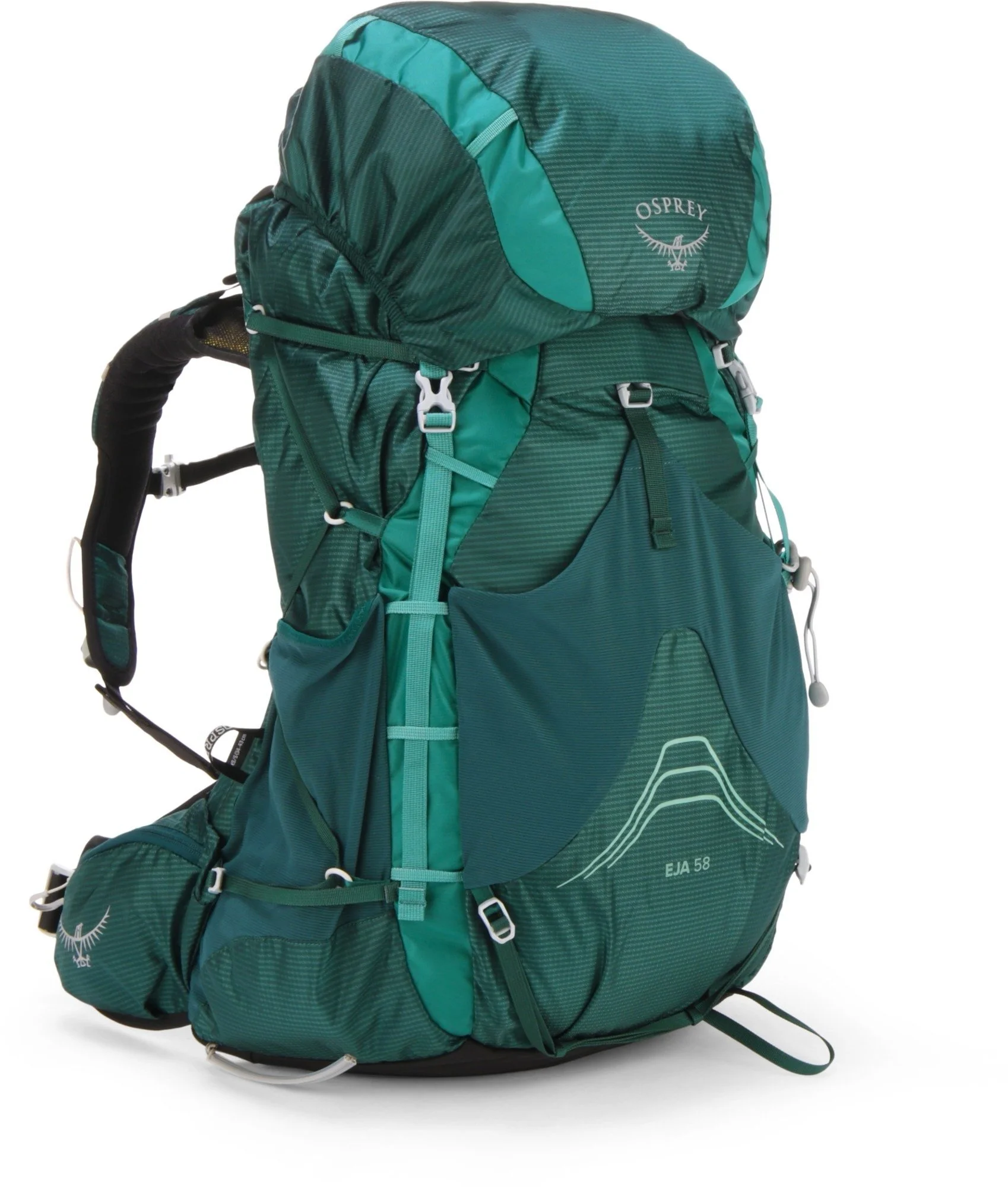
💡 Lightweight + Versatile Option
Lighter and more minimal design
Great for shorter trips or those trying to cut weight
Adjustable and flexible (can compress down when not full)
This one gets a lot of love because it’s simple, functional, and holds up well over time—even without all the extra features.
⚖️ Balanced Comfort + Value
Known for comfort and support
Great mid-range option
Solid choice if you want structure without going too heavy
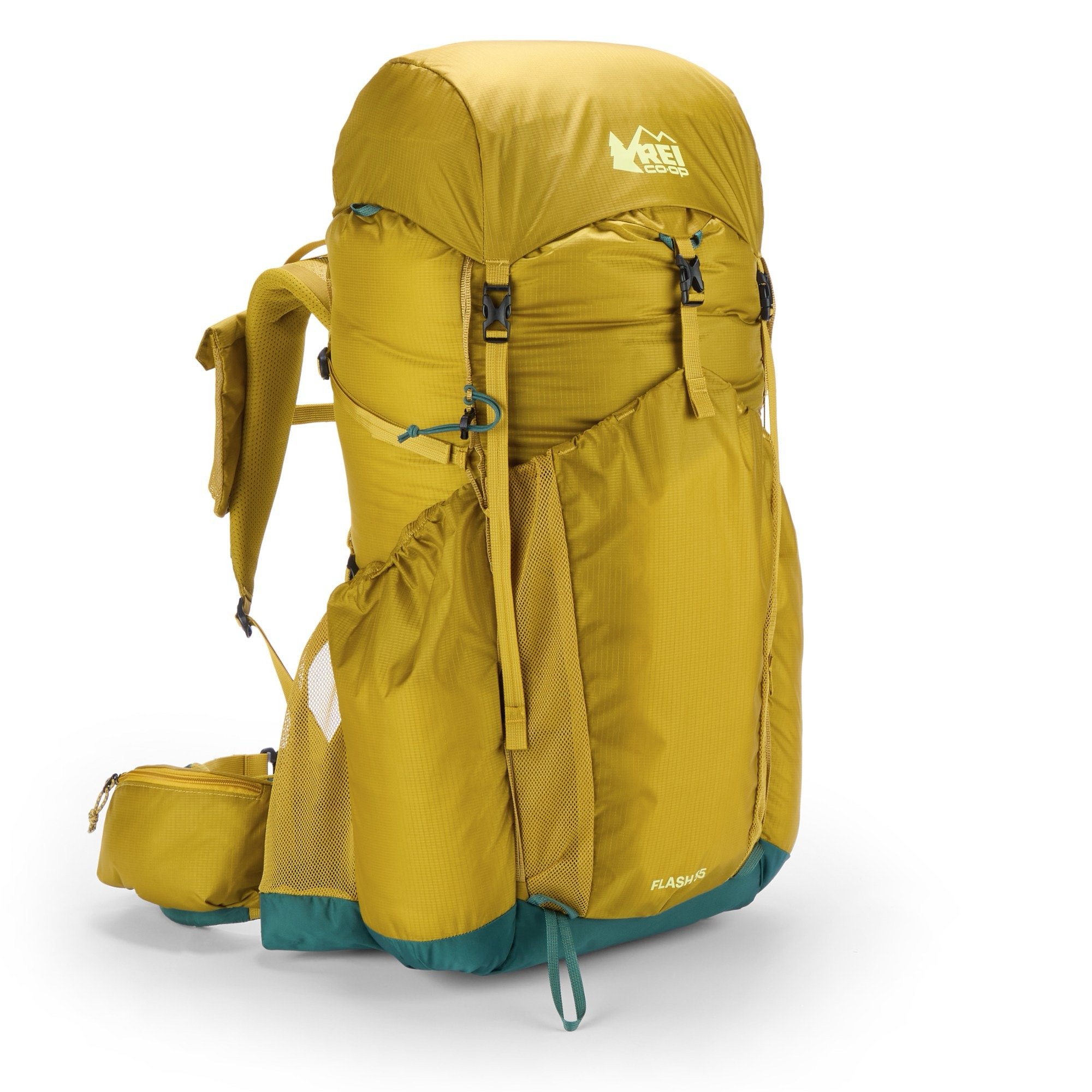
🪶 Best Overall (According to Reviews)
This one is often ranked as best overall for women in testing reviews.
Why:
Much lighter than traditional packs
Still maintains comfort and support
Ideal for longer hikes or thru-hikers trying to reduce weight
My Honest Take (From Experience + Research)
If you’re newer to backpacking or prioritize comfort:
👉 Go with something like the Osprey Ariel 55
It’s forgiving, durable, and just works.
If you’re trying to go lighter:
👉 Look at theREI Flash 55 or Osprey Eja 58
4. Your Shoes (Honestly… Just as Important)
This is where people get it wrong.
You can have the best gear in the world…
but if your feet hurt, the trip is over.
Across multiple expert reviews, one thing is consistent:
👉 Fit matters more than brand.
Top-rated hiking shoes right now:
Salomon X Ultra series– best overall performance
La Sportiva Ultra Raptor 3 Mid GTX Hiking Boots - Women's - Also named best overall hiking boot. I recently replaced my old Salomon boots with these and broke them in while in Colorado. They are light, comfortable, and my feet felt great afterward.
Merrell Moab 3– reliable and budget-friendly
HOKA Speedgoat and the Hoka Anacapa– best cushioning for long days
Asics Trabuco 14 Women’s - I personally use these. And they are the only trail runners, I trust for my feet.
👉 My advice:
Find what fits your foot. Break them in. Don’t gamble on this.
Because blisters or foot pain? That’s what ends trips early.
Also, don’t forget the right socks. My favorites: The Smartwool hiking mid-crew, The Sockwell Pulse Firm Compression Socks, and the Balega no-show socks.
5. Water Filtration (Non-Negotiable)
You can’t carry all your water.
And you don’t want to risk unsafe sources.
Trusted options:
Platypus GravityWorks Water Filter System - 4 L - This one goes with me on all my backpacking trips.
👉 Lightweight. Simple. Essential.
Real Talk (The Part People Don’t Say Enough)
You can “get by” with:
A cheaper tent
A basic sleeping bag
I choose not to because I have heard plenty of stories of people getting soaked in the middle of the night when their tents did not hold up.
And, here is something you can’t fake:
A bad backpack
Bad shoes
Because you feel those every single step. So remember this!
Why I’m Sharing This
I spend a lot of time researching gear—probably more than I should.
But if it helps you:
avoid wasting money
feel more confident getting outdoors
Actually, enjoy your trip
Then it’s worth it.
Want My Exact Picks?
I’ve linked my favorite options (based on all this research + real-world use) below 👇



Final Thought
The goal isn’t to have the most expensive gear.
The goal is to have gear that supports your experience and will last.
Because when your gear works…
You stop thinking about it.
And you start enjoying where you are.
Happy Trails! 🥾⛰️